
A Bit of History
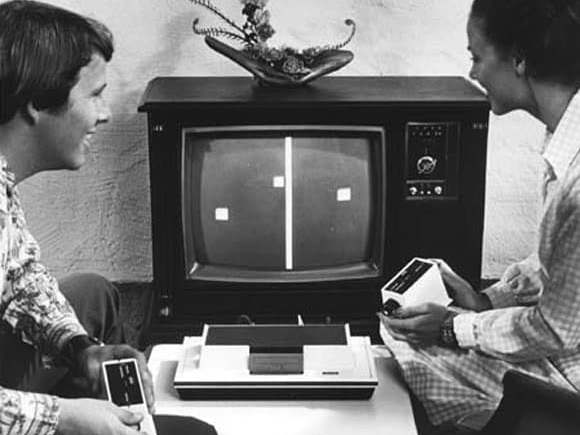
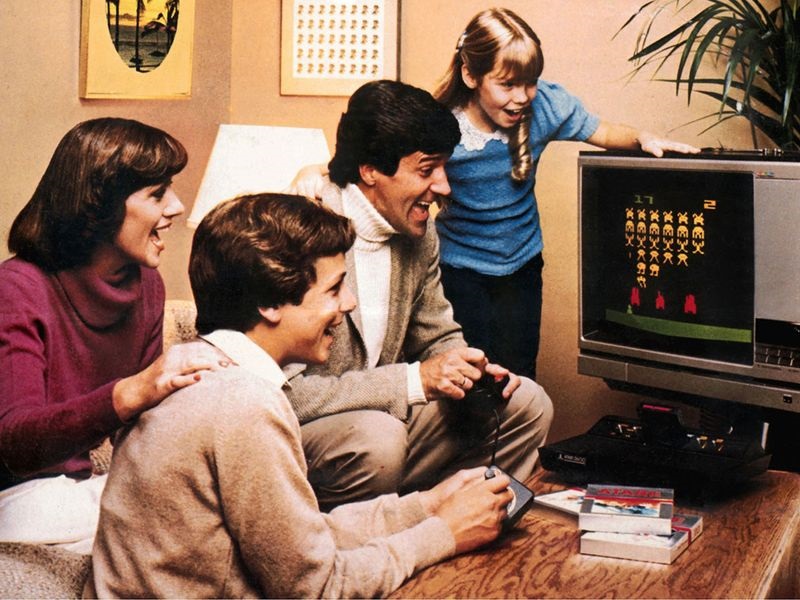
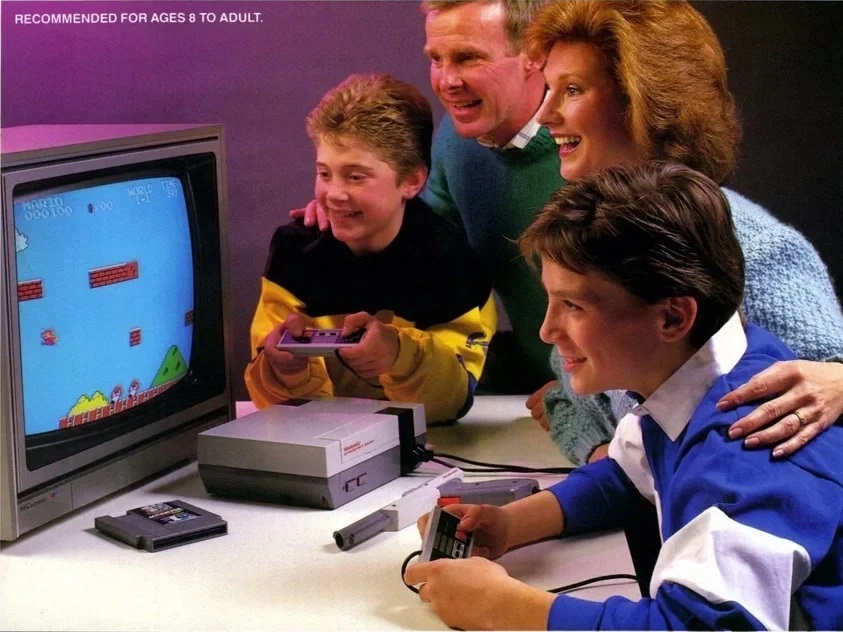
The early days of video game history were an exciting time full of rapid technological development, heralding in this new and exciting industry. Perhaps the most interesting and memorable creations of this era were the numerous devices created specifically for the purpose of playing video games: the world's first video game consoles. This site aims to document the history of these fascinating devices with a particular focus on the periods known as the First and Second Generations of video game consoles, ranging from 1972 to 1984.
The Timeline
1950
Pre-Consoles
The Early History of Video Games
The history of video games begins as far back as the 1950s. At the time, computing technology had advanced just enough to make simple video games a possibility; however, due to the high price of manufacturing computers, they were nowhere near a mainstream product. Most video games at the time were simple tech demonstrations rather than products made for entertainment, and their reach was limited to researchers, students, and only a few others.
1971
Pre-Consoles
The Rise of Arcade Games
The early 1970s saw a shift towards video games entering the public conscience. The first arcade video game, Computer Space was released in 1971, which was followed up by Pong a year later. With the emergence of arcade games like this, gaming was finally starting to become a hobby accessible to the general public. At the same time, though, a different branch of the games industry was about to take off.
1972
1st Generation
Magnavox Odyssey
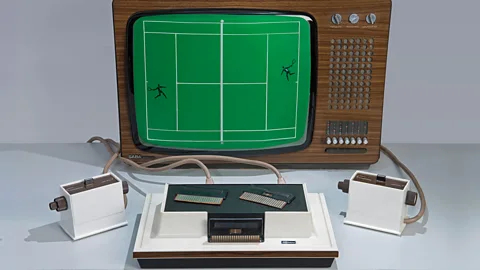
The Magnavox Odyssey, released in September 1972, was the first ever video game home console. While it may seem primitive by today's standards, only possessing the ability to draw 3 white dots and a line on a TV screen, the Odyssey was a massive step forward for the gaming industry, and it kicked off what would later become known as the First Generation of video game consoles.
The first generation ran until 1980, when the final major console built on first generation technology was released. By this point, advancements in console technology had already kickstarted the second generation.
1976
2nd Generation
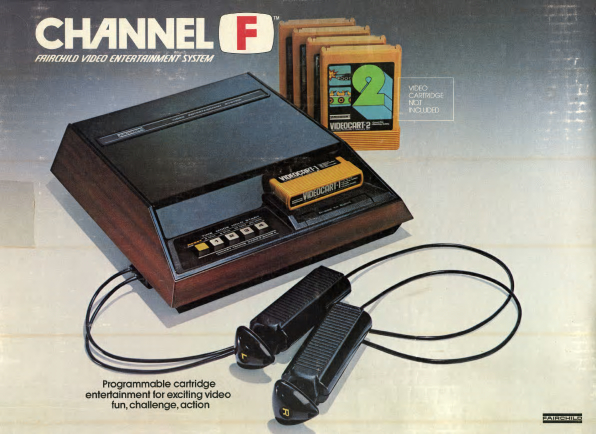
Fairchild Channel F
In November 1976, Fairchild released the "Video Entertainment System", which would later be rebranded as the Fairchild Channel F. At this point, plenty of game consoles inspired by the Odyssey had begun to flood the market. The Channel F set itself aside from these consoles in two major ways: unlike most previous consoles, which had circuitry controlling the behavior of each game built into the system, the Channel F had a microprocessor installed. This allowed the console to load and run games off of ROM cartridges, which could be programmed and sold separately from the console itself. This development revolutionized the industry by separating the markets for video game hardware and software. Quickly, other console manufacturers began to follow suit, leading to the beginning of the Second Generation of video game consoles.